



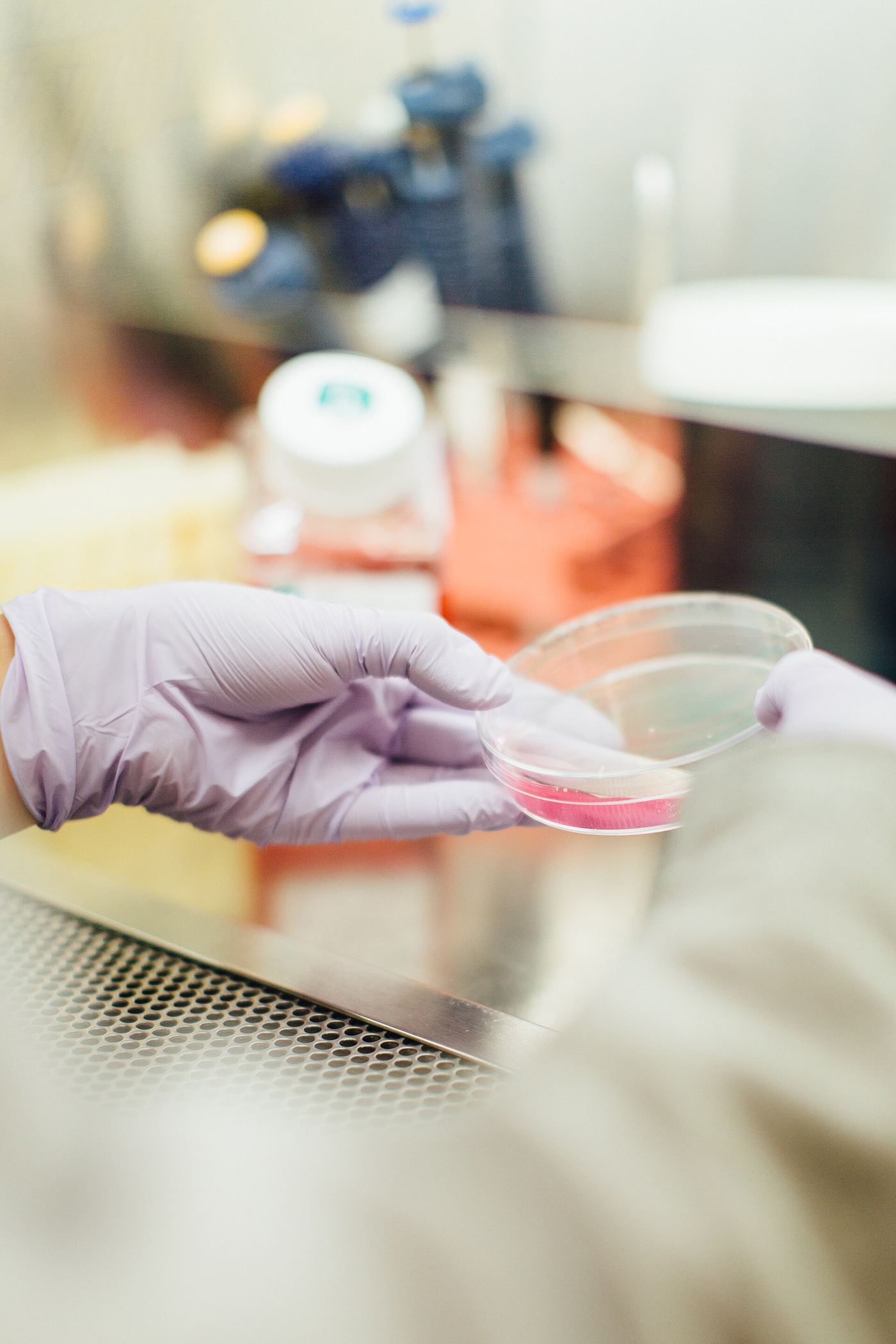
Scientists screening microbes from ordinary soil samples have identified promising new antibiotic compounds, as the search widens for drugs that defeat resistant bacteria. The development has moved quickly from specialist discussion into the mainstream, and microbiologists say the pace of change is now hard to ignore. For readers encountering antibiotic discovery in soil for the first time, the basic picture is straightforward: decisions taken this year will shape outcomes for much longer than a single news cycle. That is why the story has drawn attention well beyond its usual audience, and why it features in our latest science coverage this week.
Why It Matters Now
Most antibiotics in use today came from soil organisms, but the easy discoveries were made decades ago and resistance has steadily eroded their power. Behind the headlines, antibiotic discovery in soil touches everyday concerns such as cost, safety, time and trust, which helps explain the intensity of the public response. Microbiologists argue that early, honest communication matters as much as the underlying policy, product or finding itself. Critics, meanwhile, warn against reading too much into early signals and ask for transparent data before firm conclusions are drawn. Both sides agree on one point: the effects will be felt unevenly, and the groups affected first are rarely those with the loudest voice in the debate.
What the Evidence Shows
New cultivation techniques let researchers grow previously unculturable microbes in the laboratory, revealing chemistry that standard screening had missed for years. Reporting and analysis from Nature has helped separate confirmed findings from speculation, a distinction that matters when claims spread quickly online. Specialists stress that antibiotic discovery in soil should be judged on measured outcomes over months, not on a single announcement or a single dataset. Where results are promising, they point to consistent patterns across different places and groups; where results disappoint, they say the setbacks are themselves useful, because they show which assumptions need testing again before more money and attention are committed.
What Happens Next
Any candidate faces a long road of safety testing before human use, yet each new family of compounds refreshes a pipeline doctors fear is running dry. In the coming months, the milestones to watch are practical ones: published timelines, independent reviews, funding decisions and the first honest progress reports from microbiologists. Observers expect the debate to continue, particularly over who benefits first and who bears the costs while systems adjust. For now, the safest conclusion is a modest one: antibiotic discovery in soil is no longer a niche concern, and it will reward readers who follow the evidence rather than the noise.
In short, the story of antibiotic discovery in soil is still unfolding, and its final shape will depend on choices made by microbiologists, by institutions and by the public. We will update our reporting as new information is confirmed, and we will correct the record promptly where early reports turn out to have been incomplete or wrong.
It is a pattern specialists in the field recognise well, and one they expect to see repeated as the underlying pressures intensify rather than fade.
