



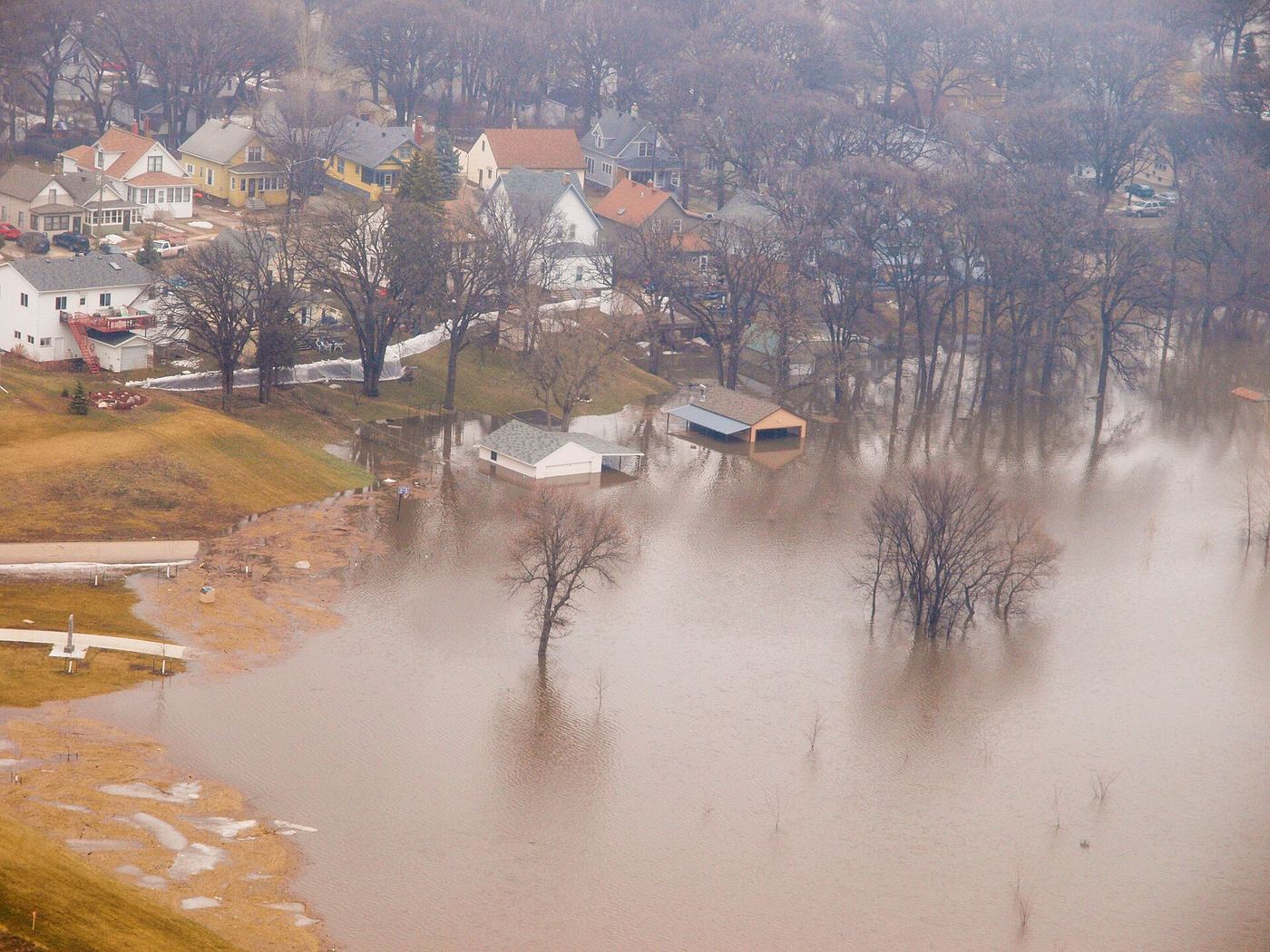
The most interesting parks in the world’s flood-prone cities are the ones designed to disappear underwater. Terraced lawns that become lakes, wetlands threaded through housing districts, playgrounds sunk a careful metre below street level — the “sponge city” approach treats stormwater as a guest to be hosted rather than an enemy to be expelled, and it is spreading from its early adopters in China and the Netherlands to cities on every continent.
The logic responds to a double failure of the old model. Concrete drainage was built for the rainfall of the past; cloudbursts now routinely exceed it. And every paved surface added by growth sends more water into the same overwhelmed pipes. Sponge design attacks both ends — slowing water where it falls, storing it in soil and ponds, and releasing it gradually once the storm has passed.
What a Sponge Park Does on a Wet Day
On a dry day, it is simply a good park. When the storm comes, the sequencing reveals itself: permeable paths let rain soak in where it lands, planted swales conduct the excess to a central wetland, and the lowest terrace floods to a designed depth while surrounding streets stay dry. Engineers size the storage for storms statistically expected once in decades; residents experience the same space as a duck pond with ambitions. Our climate and cities reporting has followed schemes that protected thousands of homes in their first extreme season.
The co-benefits recruit unlikely allies. Sponge parks cool their neighbourhoods in heatwaves, host wildlife in the middle of dense districts, and raise nearby property values — which has made them popular with finance departments as well as ecologists.
Limits and Maintenance
Honest assessments note the boundaries. Sponge features handle intense rain well but not river floods or storm surges, and they work only as systems — a showcase park cannot compensate for a district paved end to end. Maintenance is the unglamorous condition of success: silted wetlands and clogged permeable paving lose capacity silently, as programmes tracked by the World Bank have documented.
The idea is also travelling down the income ladder, where the need is greatest. Informal settlements flood first and drain last, and low-cost sponge techniques — permeable lanes, community wetlands, roof gardens — are being adapted by development agencies precisely because they need labour more than capital. The results matter beyond flood counts: standing water drives disease, closes schools and destroys the small stock of street traders. A neighbourhood that manages its stormwater visibly gains in health and income what richer districts gain in amenity. The sponge, it turns out, is a flexible technology — as much a social programme with hydrological benefits as an engineering work with social ones.
Still, the idea has crossed the line from experiment to standard practice in a growing list of cities. In an era when the weather keeps breaking records, the park that floods on purpose is becoming a piece of civic infrastructure as serious as the drain it replaces — and considerably nicer to sit in.
