



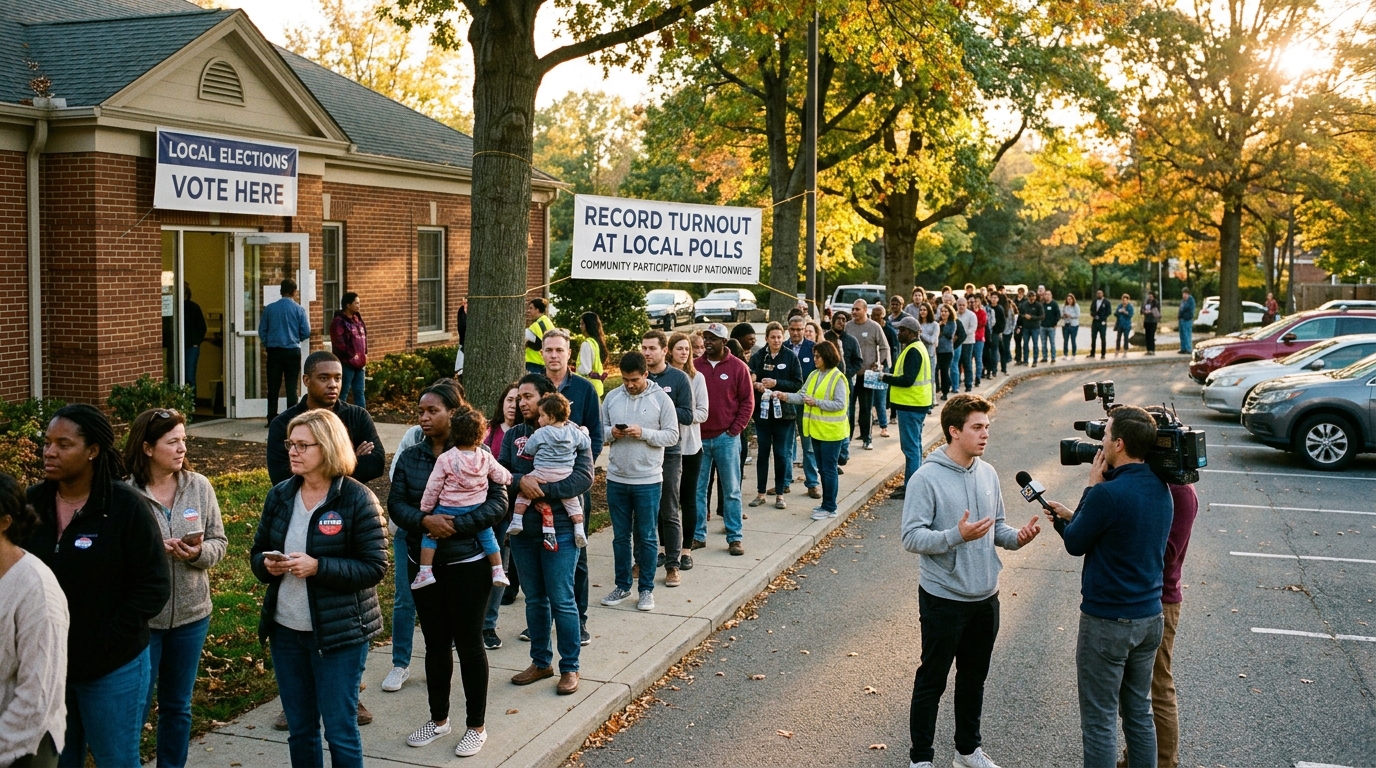
Local elections across many regions are witnessing a significant rise in voter participation, reflecting growing public interest in governance and community development. Increased awareness, improved electoral processes, and stronger civic engagement are encouraging more citizens to take part in democratic decision making, reshaping political landscapes nationwide today.
Voter Engagement Trends
Rising Turnout Patterns
Voter turnout in local elections is increasing due to heightened awareness and civic responsibility campaigns. Citizens are becoming more engaged in community issues, leading to stronger participation rates. Improved accessibility and transparency in electoral processes are also encouraging more people to cast their votes consistently.
Youth Participation Growth
Youth participation in local elections is rising as younger voters become more politically aware and motivated. Educational programs and digital platforms are increasing engagement. Social issues such as employment, education, and climate concerns are driving young citizens to actively participate in democratic voting processes today.
Community Awareness Campaigns
Community awareness campaigns are playing a vital role in increasing voter participation by educating citizens about electoral importance. Local organizations and government initiatives are promoting civic responsibility. These campaigns use outreach programs, workshops, and media to ensure voters understand their role in democratic governance effectively.
Urban Voting Behavior
Urban voting behavior shows increased participation due to better access to polling stations and digital awareness campaigns. City residents are more informed about candidates and policies. Improved transportation and election management systems are also contributing to higher voter turnout in metropolitan areas during local elections.
Rural Participation Expansion
Rural participation expansion in local elections is improving due to better outreach and voting facilities in remote areas. Government initiatives are addressing accessibility challenges. Increased awareness and transportation support are enabling rural citizens to participate more actively in democratic processes and local governance decisions today.
Electoral Campaign Dynamics
Campaign Strategies Evolution
Local election campaign strategies are evolving with the integration of digital tools and community outreach methods. Candidates are using targeted messaging, data analysis, and grassroots engagement. These strategies help connect with voters more effectively, increasing trust and improving communication between political leaders and citizens today.
Media Influence in Campaigns
Media influence in local election campaigns is increasing as television, radio, and digital platforms shape public opinion. Candidates rely on media coverage to reach wider audiences. Social media engagement also plays a crucial role in spreading campaign messages and influencing voter perceptions effectively today trends.
Grassroots Mobilization Methods
Grassroots mobilization methods are becoming essential in local elections as campaigns focus on door-to-door outreach and community meetings. These efforts build direct connections with voters, increase participation, and strengthen trust in candidates by addressing local concerns and encouraging active civic involvement in democratic processes today.
Debates and Public Forums
Debates and public forums in local elections provide platforms for candidates to present policies and engage directly with citizens. These events encourage transparency, allow voter questioning, and help communities evaluate leadership qualities, ultimately influencing voter decisions and improving democratic accountability across regions in real time.
Voter Persuasion Techniques
Voter persuasion techniques are increasingly data driven, using analytics to understand voter preferences and tailor messages. Campaigns focus on emotional appeals, policy benefits, and targeted communication strategies to influence undecided voters while maintaining ethical standards and strengthening democratic participation in competitive local elections today insights.
Role of Digital Media in Elections
Social Media Outreach Impact
Social media outreach is transforming local election campaigns by enabling candidates to communicate directly with voters. Platforms like Facebook, X, and Instagram increase engagement, spread awareness quickly, and allow real time interaction, making political communication more accessible, transparent, and influential across diverse communities today reach.
Digital Advertising Strategies
Digital advertising strategies in local elections use targeted ads, data analytics, and audience segmentation to reach specific voter groups. Campaigns optimize messaging for different demographics, improving engagement rates and voter awareness while maximizing efficiency and reducing campaign costs across online platforms and digital ecosystems effectively.
Online Voter Education
Online voter education programs provide citizens with information about voting procedures, candidate profiles, and election rules. These initiatives improve awareness, reduce misinformation, and encourage informed decision making, ensuring higher participation rates and strengthening democratic engagement through accessible digital learning platforms and resources across global users.
Misinformation Control Measures
Misinformation control measures in elections focus on identifying false content, verifying facts, and preventing the spread of misleading information online. These efforts involve collaboration between platforms, governments, and media organizations to ensure accurate information reaches voters and maintains electoral integrity across digital spaces globally effective.
Live Streaming Campaign Events
Live streaming campaign events allow candidates to reach wider audiences by broadcasting speeches, debates, and rallies online. This digital approach increases transparency, enhances engagement, and enables real time interaction between voters and leaders, strengthening trust and participation in modern local election processes in real time.
Election Commission Reforms
Voting System Modernization
Voting system modernization in local elections focuses on introducing electronic voting machines, biometric verification, and digital registration processes. These improvements enhance efficiency, reduce errors, and ensure transparency, making the electoral process more reliable, secure, and accessible for all eligible voters across regions today global systems.
Voter Registration Reforms
Voter registration reforms aim to simplify enrollment procedures, reduce paperwork, and improve accessibility for citizens. These reforms use digital platforms to streamline processes, ensure accurate records, and encourage higher voter participation by making registration faster, easier, and more efficient across local jurisdictions effectively nationwide today.
Electoral Transparency Measures
Electoral transparency measures focus on ensuring fairness, accountability, and openness in local elections. These measures include monitoring vote counting, publishing results promptly, and allowing independent observers to verify processes, thereby strengthening public trust in democratic institutions and reducing electoral fraud risks significantly across governance systems.
Polling Infrastructure Improvements
Polling infrastructure improvements involve upgrading polling stations, providing better accessibility, and ensuring efficient voter flow management. These upgrades reduce waiting times, improve voter experience, and enhance operational efficiency during elections, contributing to smoother and more organized electoral processes in local regions with better planning today.
Election Staff Training Programs
Election staff training programs focus on preparing officials to manage polling stations efficiently, handle voter queries, and ensure compliance with regulations. These programs improve accuracy, reduce errors, and enhance professionalism, contributing to smoother election day operations and increased public confidence in local governance systems today.
Youth Participation Growth
Youth Voting Awareness Programs
Youth voting awareness programs are increasing participation by educating young citizens about electoral processes and democratic responsibilities. Schools, universities, and social organizations promote civic education, encouraging informed decision making and active involvement in local elections through workshops, campaigns, and digital engagement platforms across regions today.
First Time Voters Engagement
First time voters engagement is rising as young citizens become more aware of their political rights and responsibilities. Campaigns target new voters through social media and educational initiatives, encouraging participation and strengthening democratic inclusion in local election processes across communities with growing civic responsibility today.
Student Political Participation
Student political participation is expanding as educational institutions encourage debates, leadership programs, and civic engagement activities. Students are becoming more involved in local governance discussions, helping shape community decisions and increasing awareness of democratic processes through active participation and learning initiatives in modern societies today.
Digital Activism Influence
Digital activism influence among youth is growing as online platforms enable political expression and mobilization. Social media campaigns raise awareness about election issues, encourage participation, and allow young voters to engage in discussions, shaping public opinion and democratic outcomes effectively across global digital spaces today.
Youth Leadership Development
Youth leadership development programs in local elections focus on building skills, civic awareness, and political engagement among young citizens. These initiatives prepare future leaders, promote community involvement, and strengthen democratic participation by encouraging responsibility, collaboration, and informed decision making across emerging civic systems today globally.
Security and Voting Logistics
Polling Station Security Measures
Polling station security measures ensure safe and peaceful voting environments through the deployment of security personnel, surveillance systems, and crowd control strategies. These measures prevent disruptions, protect voters, and maintain order during elections, contributing to transparent and secure democratic processes in local regions effectively today.
Ballot Distribution Systems
Ballot distribution systems in local elections are designed to ensure timely and accurate delivery of voting materials to polling stations. These systems improve efficiency, reduce delays, and ensure that all voters have access to ballots, supporting smooth and organized election processes across governance systems today.
Voter Queue Management
Voter queue management strategies help reduce waiting times and improve voter experience during elections. These strategies include organized lines, digital token systems, and efficient staffing to ensure smooth flow of voters and minimize congestion at polling stations ensuring better coordination during peak voting hours today.
Emergency Response Arrangements
Emergency response arrangements in elections ensure rapid action in case of medical incidents, security threats, or natural disruptions. These arrangements include medical teams, evacuation plans, and coordination with local authorities to safeguard voters and maintain smooth election operations ensuring readiness across all polling sites today.
Election Logistics Optimization
Election logistics optimization focuses on improving transportation, resource allocation, and coordination during local elections. These improvements ensure timely delivery of materials, efficient staff deployment, and reduced operational delays, contributing to smoother and more reliable election day management enhancing efficiency across all administrative systems today globally.
Electoral Governance Impact
Strengthening Democratic Institutions
Strengthening democratic institutions through local elections improves governance, accountability, and public trust. Increased voter participation ensures that elected representatives reflect community needs, while transparent processes and fair competition enhance the legitimacy of political systems and promote long term democratic stability across evolving civic frameworks today.
Policy Accountability Improvements
Policy accountability improvements in local elections ensure that elected officials are held responsible for their decisions and actions. Transparent reporting, public feedback mechanisms, and regular evaluations strengthen governance, reduce corruption risks, and enhance trust between citizens and political representatives through continuous monitoring systems today globally.
Civic Engagement Enhancement
Civic engagement enhancement efforts in local elections focus on increasing citizen involvement in decision making processes. These efforts include public consultations, community outreach, and educational initiatives that encourage participation, strengthen democracy, and improve communication between government institutions and the public effectively across modern societies today.
Electoral Integrity Safeguards
Electoral integrity safeguards ensure that local elections are conducted fairly, transparently, and without manipulation. These safeguards include monitoring systems, legal frameworks, and independent oversight bodies that prevent fraud, ensure compliance, and maintain public confidence in democratic processes strengthening trust across all electoral systems today globally.
Governance Transparency Reforms
Governance transparency reforms in local elections promote openness, accountability, and public access to information. These reforms include publishing election data, improving communication channels, and ensuring that citizens can monitor government actions, strengthening democratic trust and institutional credibility improving accountability across public institutions today systems globally.
