



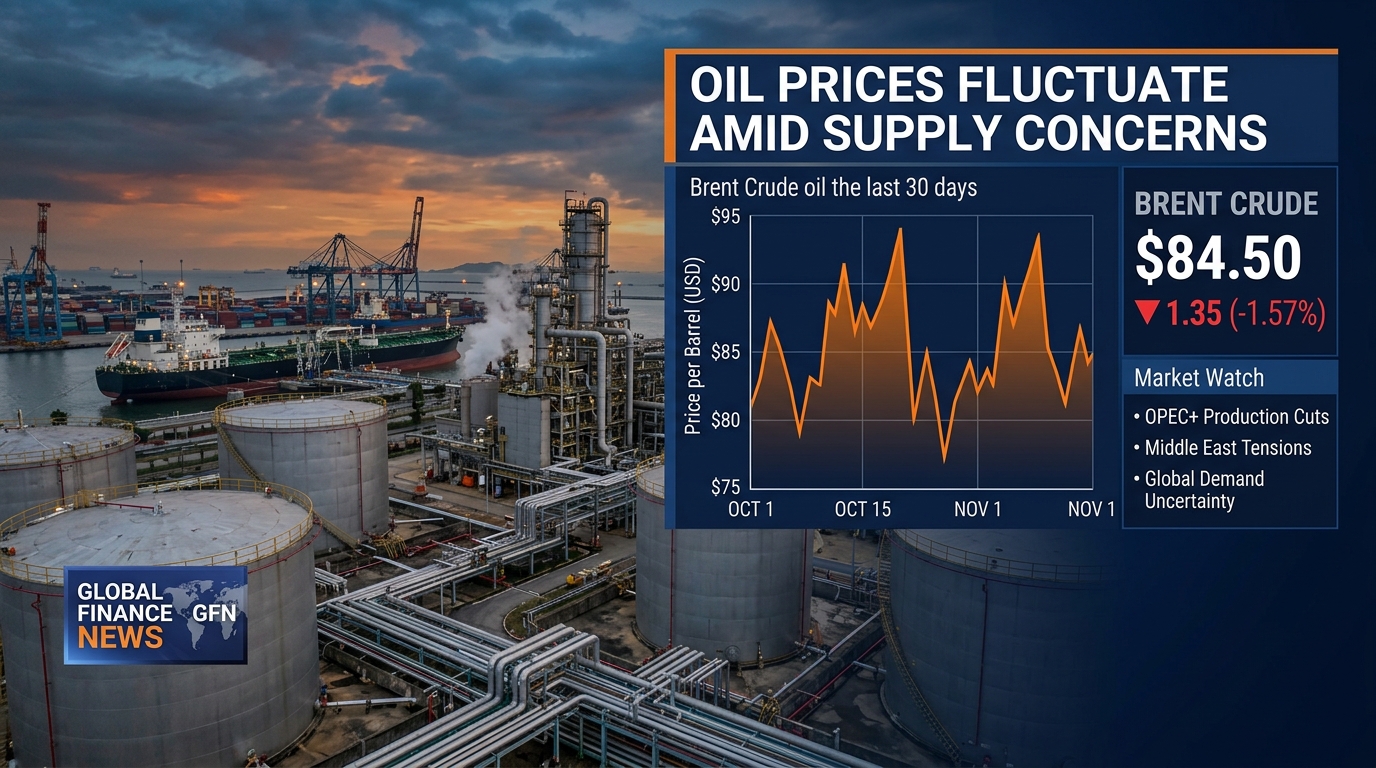
Oil prices are experiencing continuous volatility as global supply concerns intensify due to production constraints, geopolitical instability, and fluctuating demand patterns. Energy markets are reacting sharply to disruptions in major exporting regions while investors reassess risk exposure. These ongoing changes are shaping inflation trends, industrial costs, and long-term energy security strategies across global economies worldwide today.
Global Supply Chain Disruptions Impacting Oil Markets
Supply Chain Bottlenecks in Oil Transportation
Supply chain bottlenecks in oil transportation are causing delays in crude delivery, increasing costs and reducing market efficiency Shipping constraints labor shortages and infrastructure limitations are intensifying volatility making global oil markets more sensitive to disruptions across major exporting and importing regions worldwide today significantly
Port Congestion and Shipping Delays
Port congestion and shipping delays are worsening crude oil distribution challenges as vessels wait longer for unloading This creates supply imbalances increases freight costs and disrupts refinery operations The situation is further intensified by rising global trade volumes and logistical inefficiencies across major ports globally
Energy Infrastructure Limitations
Energy infrastructure limitations in oil producing regions are restricting output capacity and slowing supply recovery Aging pipelines insufficient storage facilities and outdated refinery systems are contributing to market instability These challenges are increasing dependency on imports and heightening sensitivity to global price fluctuations significantly today worldwide stability
Supply Route Security Risks
Supply route security risks are impacting oil shipments due to threats in key maritime corridors Piracy geopolitical conflicts and regulatory restrictions are increasing uncertainty These risks lead to higher insurance costs delayed deliveries and reduced reliability in global crude oil supply chains worldwide market stability
Weather Related Disruptions
Weather related disruptions are increasingly affecting oil production and transportation systems causing temporary shutdowns in offshore drilling and refinery operations Extreme storms hurricanes and flooding events are reducing supply consistency and adding uncertainty to global oil price stability and energy market forecasts across global markets
OPEC Production Decisions and Market Stability
Production Quota Adjustments
Production quota adjustments by major oil producing nations are directly influencing global supply levels and price stability Changes in output targets affect market expectations investor sentiment and energy costs These decisions are closely monitored as they determine balance between supply and demand in global markets
Strategic Reserve Management
Strategic reserve management plays a crucial role in stabilizing oil markets during supply disruptions Governments release or store reserves to balance demand fluctuations control prices and ensure energy security These interventions help reduce volatility and maintain consistent supply levels across global energy systems worldwide stability
Refinery Output Coordination
Refinery output coordination ensures balanced production of petroleum products such as gasoline diesel and jet fuel Coordinated refining schedules help optimize supply chains reduce bottlenecks and stabilize prices Effective coordination improves efficiency and ensures consistent fuel availability across domestic and international markets globally energy stability
OPEC Market Influence
OPEC market influence remains a dominant factor in determining global oil prices through coordinated production policies and strategic decisions The organization’s actions affect investor confidence supply expectations and international trade dynamics shaping overall energy market stability across producing and consuming countries worldwide global energy balance
Inventory Level Monitoring
Inventory level monitoring in oil markets helps track supply availability across storage facilities refineries and distribution networks Accurate inventory data supports pricing decisions improves transparency and reduces uncertainty Real time monitoring enables better forecasting and helps stabilize global energy markets during fluctuations worldwide supply balance
Geopolitical Tensions and Crude Oil Volatility
Conflict Zone Supply Risks
Conflict zone supply risks significantly impact crude oil volatility as geopolitical tensions disrupt production and transportation routes Unstable regions create uncertainty in global markets leading to price spikes supply shortages and increased insurance costs for shipping companies operating in high risk areas worldwide market instability
Sanctions and Trade Restrictions
Sanctions and trade restrictions imposed on oil producing nations directly influence global crude supply chains and pricing mechanisms These measures limit exports disrupt trade flows and create uncertainty in energy markets Investors react with caution leading to volatility and shifting investment patterns worldwide global disruption
Diplomatic Negotiation Effects
Diplomatic negotiation effects play a key role in stabilizing or destabilizing global oil prices depending on outcomes of international talks between major producing and consuming nations Agreements can ease tensions while failures increase uncertainty affecting supply expectations and investor confidence in energy markets global stability
Maritime Security Challenges
Maritime security challenges are increasing risks for oil transportation through critical shipping lanes Threats such as piracy territorial disputes and naval conflicts disrupt supply chains These issues raise operational costs delay shipments and contribute to instability in global crude oil markets and pricing structures globally
Energy Supply Chain Uncertainty
Energy supply chain uncertainty arises from geopolitical instability affecting production transportation and refining processes Disruptions create unpredictable market conditions influencing pricing and availability Investors and governments closely monitor these risks to mitigate volatility and ensure stability in global oil supply systems worldwide energy balance stability
Demand Fluctuations in Global Energy Consumption
Seasonal Demand Variations
Seasonal demand variations significantly influence global oil consumption patterns as heating and transportation needs fluctuate throughout the year Winter demand increases in colder regions while summer travel boosts fuel consumption These cycles create predictable yet impactful changes in supply demand balance affecting market prices globally
Industrial Energy Consumption Trends
Industrial energy consumption trends drive significant fluctuations in oil demand as manufacturing output and production cycles change Heavy industries such as chemicals and transportation rely heavily on petroleum products Economic growth slowdowns or expansions directly impact global crude oil consumption levels and market stability globally
Transportation Fuel Demand
Transportation fuel demand is a major factor influencing global oil prices as aviation shipping and road transport sectors consume large volumes of petroleum products Rising mobility and logistics activity increase consumption while economic slowdowns reduce demand creating volatility in global energy markets and pricing structures
Urbanization Energy Growth
Urbanization energy growth increases global oil demand as expanding cities require more transportation electricity and industrial fuel Rapid urban development in emerging economies drives higher consumption rates This trend contributes to long term pressure on oil supply chains and influences global pricing dynamics significantly globally
Energy Efficiency Improvements
Energy efficiency improvements reduce oil demand growth by enabling industries and consumers to use less fuel while maintaining productivity Advances in technology hybrid vehicles and industrial optimization contribute to lower consumption rates These changes gradually reshape global energy markets and influence long term price stability
Role of Speculation in Oil Price Movements
Futures Market Trading Impact
Futures market trading significantly influences oil price movements as investors speculate on future supply and demand conditions High trading volumes create volatility while expectations of geopolitical or economic changes drive price fluctuations These financial instruments play a major role in global energy market dynamics globally
Algorithmic Trading Systems
Algorithmic trading systems in oil markets use advanced mathematical models and artificial intelligence to execute high speed transactions These systems amplify price movements by reacting instantly to market signals news and geopolitical events creating increased volatility and rapid fluctuations in global crude oil prices globally
Investor Sentiment Shifts
Investor sentiment shifts play a crucial role in determining short term oil price fluctuations as market participants react to news data and geopolitical developments Positive or negative expectations influence buying and selling behavior creating rapid changes in demand and pricing across global energy markets globally
Hedge Fund Influence
Hedge fund influence in oil markets contributes to price volatility through large scale speculative investments and rapid trading strategies These funds react to market trends geopolitical risks and economic indicators amplifying price swings and increasing uncertainty in global crude oil trading environments significantly market instability
Retail Investor Participation
Retail investor participation in oil trading has increased due to easier access to online platforms and financial instruments Small investors now influence short term price movements by reacting to market news and trends contributing to higher volatility and unpredictability in global energy markets today globally
Renewable Energy Transition and Oil Dependency Shifts
Shift Toward Clean Energy
Shift toward clean energy is reducing long term oil dependency as countries invest in solar wind and electric infrastructure This transition gradually lowers fossil fuel consumption while increasing renewable adoption However short term oil demand remains strong due to industrial and transportation needs globally today
Electric Vehicle Adoption Impact
Electric vehicle adoption significantly reduces future oil demand by replacing internal combustion engines with battery powered alternatives As EV penetration increases global fuel consumption declines gradually However current infrastructure limitations and charging network gaps still maintain partial reliance on traditional fuels in transportation sectors globally
Government Renewable Policies
Government renewable policies encourage investment in clean energy technologies through subsidies regulations and tax incentives These policies accelerate energy transition reduce fossil fuel dependence and promote sustainable development However implementation varies across countries affecting global oil demand patterns and market stability significantly worldwide energy shift
Green Infrastructure Investment
Green infrastructure investment is increasing as governments and private sectors fund renewable energy projects such as wind farms solar plants and electric grids These investments reduce reliance on fossil fuels and gradually reshape global oil demand dynamics while promoting long term environmental sustainability global transition
Fossil Fuel Demand Decline
Fossil fuel demand decline is becoming more evident as renewable energy adoption accelerates globally Reduced reliance on oil is driven by policy changes technological advancements and consumer behavior shifts However certain industries still depend heavily on oil maintaining partial market stability in transition periods globally
Future Outlook for Global Oil Prices and Energy Security
Long Term Price Stability Forecast
Long term price stability forecasts for oil depend on global supply demand balance geopolitical risks and energy transition progress Analysts expect moderate volatility as markets adjust to renewable adoption and production changes These factors will continue shaping global oil pricing structures in future decades globally
Energy Security Strategies
Energy security strategies focus on ensuring stable and reliable access to oil supplies through diversification strategic reserves and international cooperation Governments aim to reduce vulnerability to disruptions while balancing renewable transition goals These strategies are essential for maintaining economic stability and global energy resilience worldwide
Market Forecast Uncertainty
Market forecast uncertainty arises from fluctuating supply demand dynamics geopolitical tensions and policy changes Investors and analysts struggle to predict long term oil price movements due to volatile global conditions This uncertainty affects investment decisions production planning and overall energy market stability worldwide price stability
Technological Monitoring Systems
Technological monitoring systems in oil markets use advanced data analytics artificial intelligence and satellite tracking to monitor supply chains production levels and storage facilities These systems improve transparency enhance forecasting accuracy and support timely decision making in global energy markets and pricing environments global insight
Investment Risk Assessment
Investment risk assessment in oil markets evaluates geopolitical economic and supply chain risks to guide investor decisions Accurate assessment helps reduce losses improve portfolio stability and enhance decision making These evaluations are critical for managing uncertainty in global energy investments and market performance globally today
What causes oil price fluctuations
Oil prices fluctuate due to supply demand changes geopolitical tensions and global economic conditions.
How do supply concerns affect oil markets
Supply concerns reduce availability increase uncertainty and push prices higher in global oil markets.
What role does OPEC play in oil pricing
OPEC controls production levels influencing global supply balance and stabilizing or raising oil prices.
How does renewable energy impact oil demand
Renewable energy reduces long term oil demand by replacing fossil fuels with cleaner alternatives.
What is future outlook for oil prices
Future oil prices will remain volatile influenced by transition to renewables and geopolitical risks.
Conclusion
Oil prices will continue fluctuating as global supply concerns, geopolitical tensions, and energy transitions reshape markets. Production decisions, demand shifts, and renewable adoption will define future trends. While volatility remains unavoidable, stronger monitoring systems and strategic reserves will improve stability. Ultimately, energy security will depend on balanced policies, technological progress, and coordinated international cooperation worldwide across evolving economies.
